The Writing Life
It Takes a Critique Group
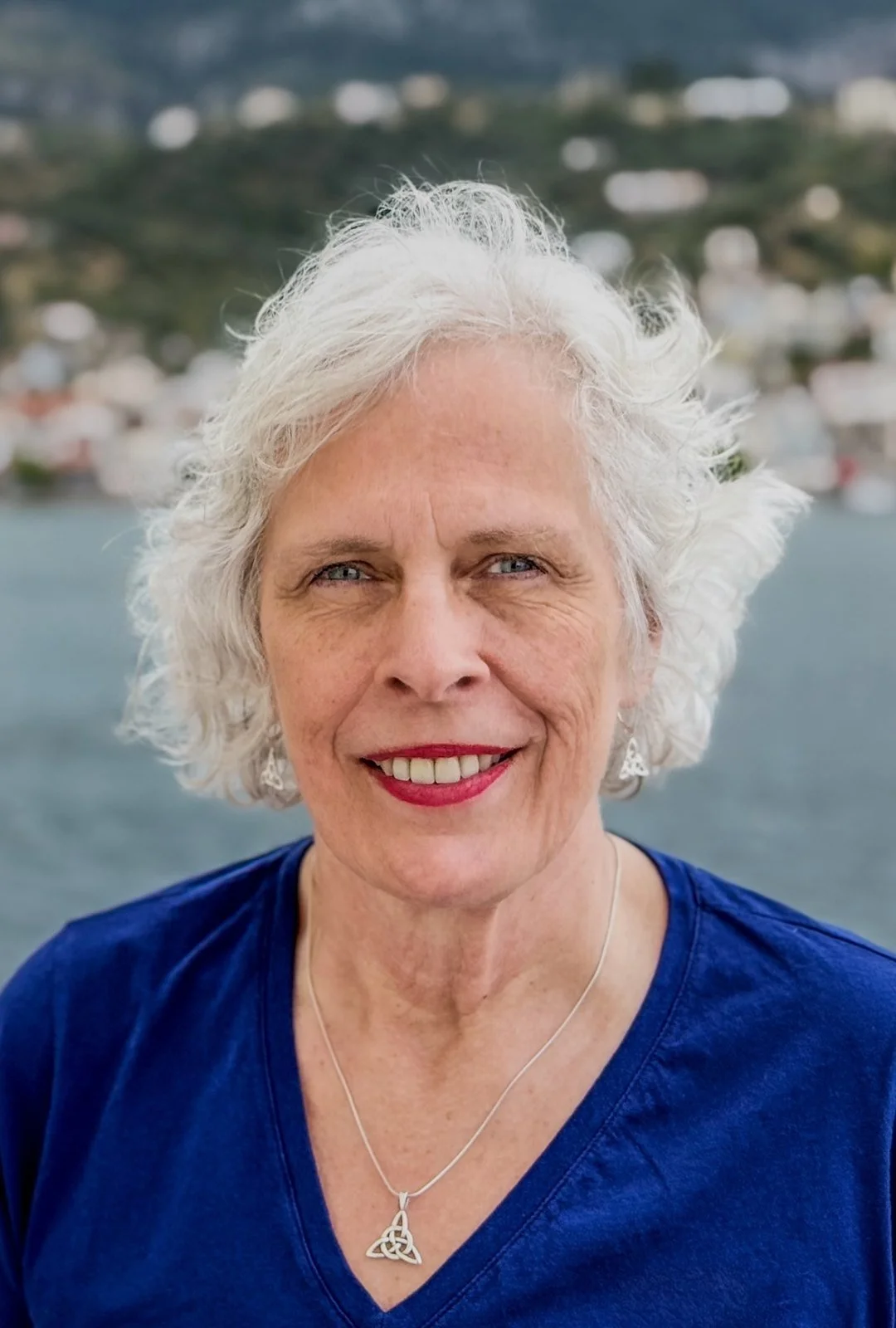
If you were inclined to bet, I doubt you would have done so on four women who met at a pay-what-you-can coffee shop in the basement of a church in Seattle in 2012. We were two pairs of friends. Neither pair knew the other well. For reasons lost to history, we decided to form a writing critique group. Every week we met at the agreed time, each of us clutching some prose that bore the sweat of our brow. We learned the process of reading your writing out loud both reveals and highlights its shortcomings. It’s confounding how wonderful your words sound at home and how dreadful when you share them.
Critiquing other people’s work was new to us, all women becoming a certain age and at varying stages of moving from professional life into a retired one. Like teenagers, but at the other end of the life span, we were long-legged awkward. But we kept writing. We transitioned out of the noise of the coffee shop and into our respective homes. Our mission remained firm. We were to meet as writers. Some fruit, cheese, and crackers allowed as refreshments but nothing else. Except coffee.
We plodded along, learning bit by bit how to tell each other that she must have been smoking something hallucinogenic when she wrote that piece. We also began to learn that being told your work was wanting was not the worst thing in the world. This was because all of us could write magic, at least some of the time. Nailing a piece was always an unmatched moment.
The idea of including other members, themselves retiring and interested in writing surfaced to ensure a weekly quorum. We did and were made stronger. Over time the tides of life have pawned only two of our members and most of us now wear hearing aids. It’s a small comfort having peers as deaf as you are.
By the time of Covid, the group was well-oiled functioning and the members close friends. When we couldn’t meet in person we did so on ‘Zoom.’ The discipline of that fixed time in the week helped to keep us solvent. One of our writers suggested we keep a note of our lives distorted by so many factors, as an historic record. We wrote and wrote and wrote and suddenly we had enough material for a book. It came out as ‘Writing While Masked’ in 2021 and enjoyed a positive reception. Suddenly, we were in bookstores like real writers, talking about our book. It was a great middle finger in the air to the rancid times of Covid.
Plus, we could finally say that collectively we are not long-legged awkward anymore. Across the labour of the years, each of us has produced a sizeable body of work. Some has been published.
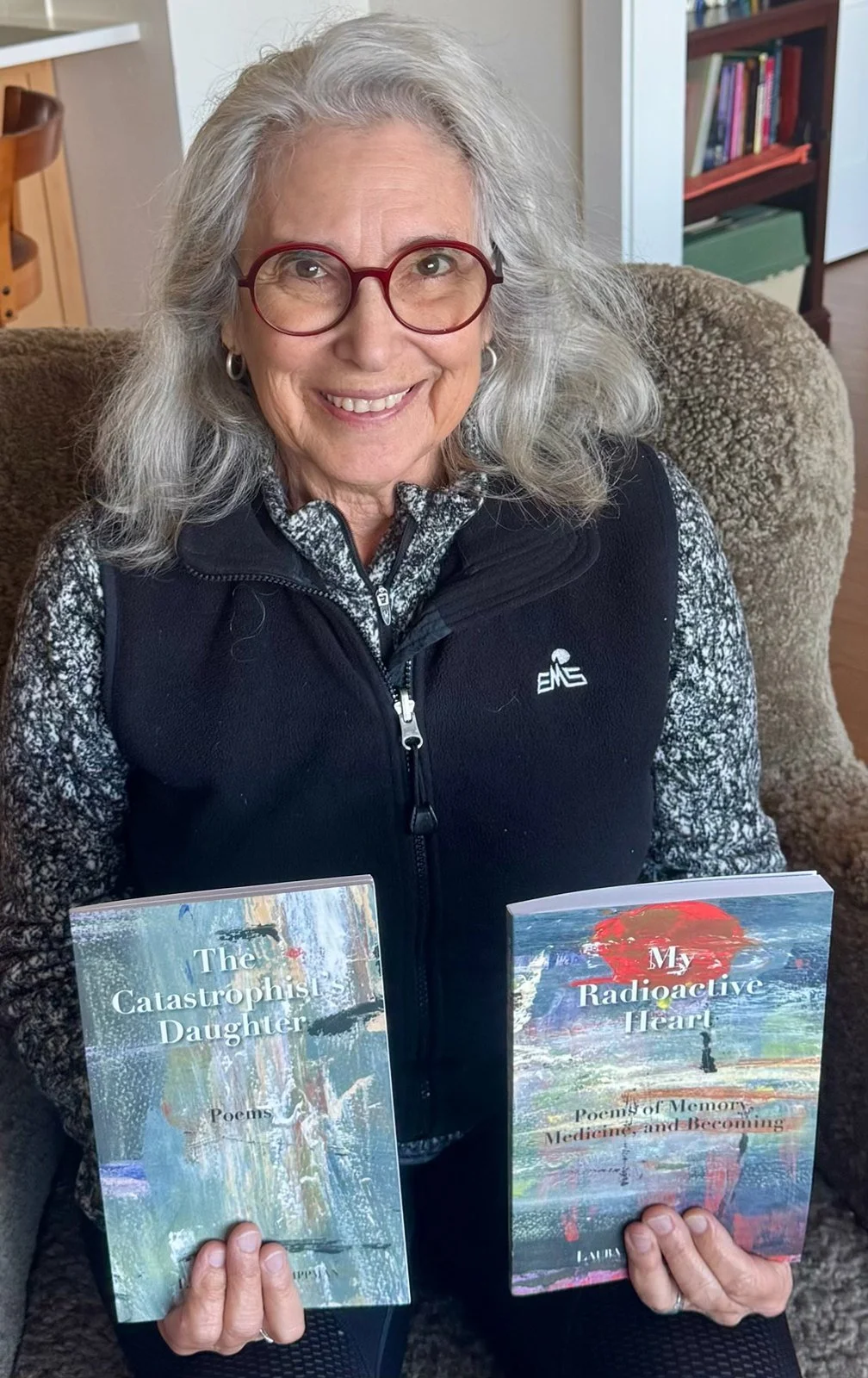
Writing While Masked
Reflections on 2020 and Beyond (Basalt Books, WSU Press).
Writing While Masked was authored during Covid by Beth’s Critique Group: Mary Ann Gonzales, Tyson Greer, Wanda Herndon, Laura Celise Lippman, Jane Spalding, Suzanne Tedesko and Beth Weir. Sally J. McMillan is our most recent member.
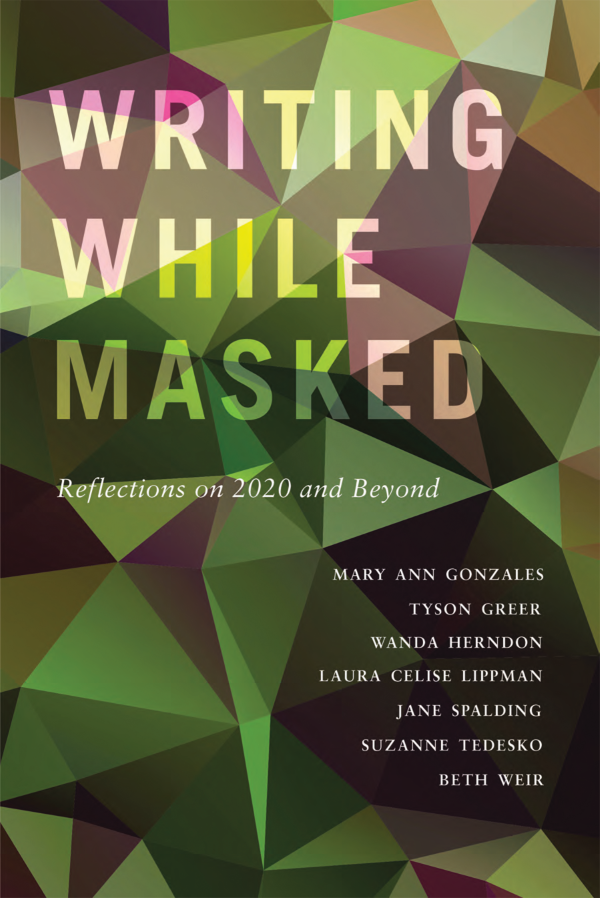
Sally J. McMillan: My Name Is Allen White
McMillan’s debut novel titled My Name Is Allen White was published in 2026. Allen White was taught to be a believer. Instead, he became a nuclear physicist, astrophotographer, and musician. Raised in a faith community that discouraged questions, Allen’s inquiries took him places that his church and his father could not tolerate. Narrated by Allen himself at age thirty-three, My Name Is Allen White unfolds across three pivotal discoveries, each one a wonder, each one a wound. The upheavals of mid-twentieth-century America provide an expansive backdrop to Allen’s personal challenges. But his great controversy unfolds in the narrow foreground of home.
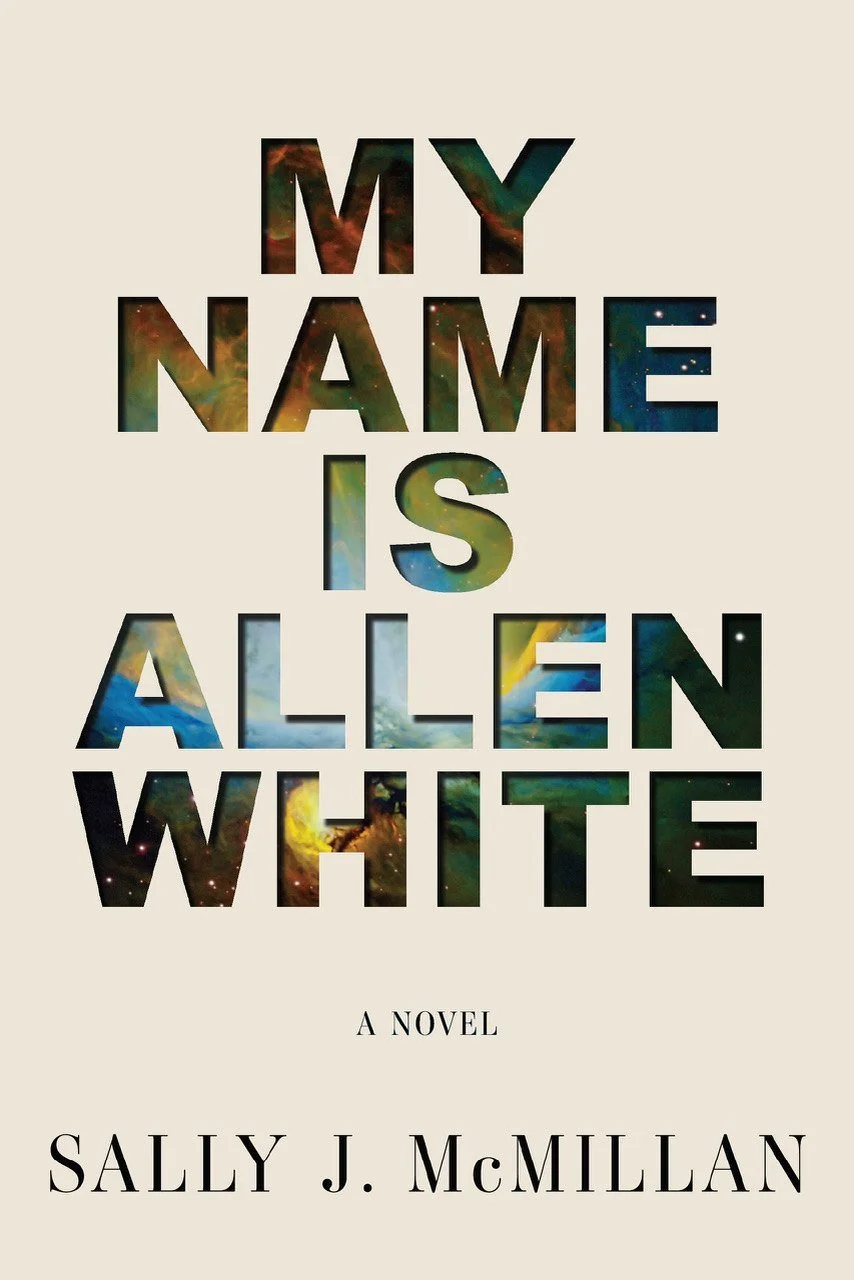
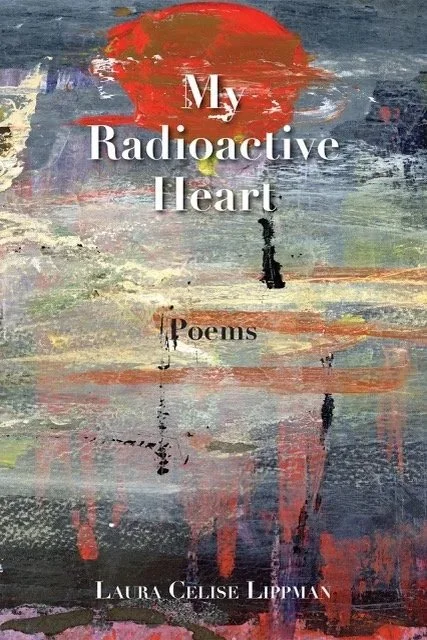
Laura Lippman: My Radioactive Heart and The Catastrophist’s Daughter
Laura C. Lippman’s poems reveal a mind that is as analytically sharp as it is emotionally fearless. By braiding personal history and collective memory into poems that feel both intimate and daring, she transforms lived experience of family, motherhood, and her profession as a medical doctor into something luminous and often unsettling. The collection’s craft lies in its precision and fierce intelligence. Like me, I think you will enjoy each lingering moment and each wonderful surprise. - Yvonne Higgins Leach
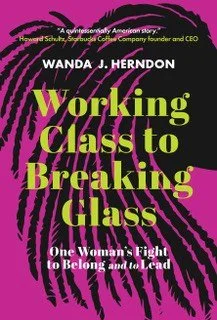
Wanda Herndon: Working Class to Breaking Glass
Growing up in Flint, Michigan, a daughter of the Great Migration from the Jim Crow South, Wanda J. Herndon received one directive from her factory-worker father: get an office job. She took that modest dream and transformed it into something neither she nor her daddy could have fully imagined.
‘Working Class to Breaking Glass’ is the candid, courageous memoir of a Black woman who navigated racial barriers, imposter syndrome, and the invisible weight of being the first and the only—and who rose anyway. From the halls of Michigan State University to the executive corridors of Starbucks, Herndon’s journey is one of resilience, reinvention, fearless authenticity, and refusing to accept a ceiling someone else built.
Suzanne Tedesko
Suzanne Tedesko spent the earlier part of her career as a documentary film, television and radio producer in New York and Seattle, Washington before turning her attention to writing. She has penned Seattle travel books for Fodors, a screenplay, Swimming Upstream, and has contributed to Writing While Masked, a compilation of essays and poems written during Covid by her writing group.
She is currently completing her first novel, An Accidental Inheritance, which follows an American college student whose unplanned pregnancy in 1967 has consequences that surface twenty-five years later when she faces a moral dilemma: whether to put her own well-being at risk to save the life of the son she’s never met whose actions challenge her most cherished beliefs. The novel will be released in 2027.